




What Golf Accessories Do Beginners Need?
Showing up for your first few rounds with the right extras can save you money, frustration, and a few awkward moments on the tee box. If you’re wondering what golf accessories do beginners need, the short answer is this: not everything in the pro shop. Just the pieces that help you play, practice, and stay comfortable while you learn.
That matters because beginners often buy in the wrong order. A flashy gadget looks fun, but a glove, a few spare balls, and a towel will do more for your first month of golf than most add-ons ever will. The smart move is to build a small, useful kit you’ll actually use every round.
What golf accessories do beginners need first?
Start with the basics that solve the most common beginner problems. New golfers lose balls, sweat through their grip, forget to repair the green, and end up carrying loose gear with no system. The right accessories keep those small problems from turning into a rough day.
A golf glove is usually first on the list. For most players, one glove on the lead hand improves grip and comfort right away. If your hands get sweaty or you’re practicing a lot, this is not optional. A glove also helps reduce blisters, which is a bigger deal than many first-timers expect.
Golf balls come next, and beginners should keep this simple. You do not need the same ball a low-handicap player uses. A softer, more forgiving ball at a reasonable price makes more sense when you’re still figuring out contact and direction. Expect to lose some early on. That’s normal. Buying premium tour balls too soon is usually just an expensive habit.
Tees are another easy yes. If you mostly play from the forward tees and are still learning with a driver or fairway wood, having a pack of standard tees covers most situations. Some beginners like fixed-height tees because they remove one variable. That can help, but it’s not essential.
Then there’s the towel. It sounds minor until your clubface is dirty, your grips are slick, and your ball is covered in grass. A simple golf towel clipped to the bag keeps things cleaner and more consistent. For a beginner, consistency is hard enough without adding mud to the equation.
The accessories that make rounds easier
Once you’ve covered the absolute basics, a few small accessories make the game feel more organized.
A ball marker and divot tool are worth carrying from day one. The marker helps on the green when your ball is in someone’s line, and the divot tool lets you repair ball marks properly. Even if you’re brand new, using both shows good etiquette. Golf gets more enjoyable fast when you feel like you know how to move around the course.
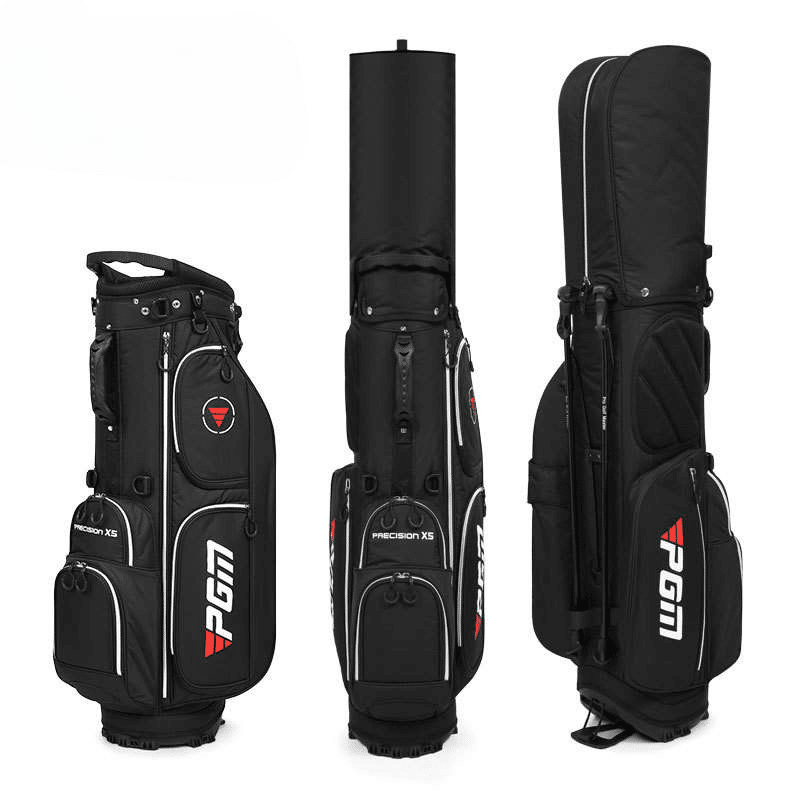
A scorecard holder or small pouch can also help if you like to keep things neat, but it’s not a must. More useful for most beginners is a bag with enough storage to avoid the classic first-round scramble - glove in one pocket, tees in another, balls rolling around loose, phone shoved somewhere unsafe.
If you walk the course or spend time at the range, a comfortable hat is another smart add. Sun protection matters, and so does being able to see clearly without squinting through every shot. The same goes for decent socks. They’re not exciting, but if your feet are unhappy by hole six, you’ll feel it everywhere.
What golf accessories do beginners need for practice?
Practice accessories should help you repeat good habits, not overload you with swing thoughts. For that reason, beginners are usually better off with simple gear than high-tech training aids.
A basic alignment stick set is one of the best value buys in golf. You can use it to check stance, ball position, and aim at the range. Many beginners think they have a swing problem when the real issue is setup. Alignment sticks make that visible.
A small bag of extra tees and practice balls is useful if you spend time hitting on the range. Keep them separate from what you use on the course so you’re not mixing worn-out range habits with your playing setup.
A groove cleaner or small brush can also earn its spot if you practice often. Clean grooves help your clubs perform as intended, especially in the short game. You don’t need to get obsessive, but taking basic care of your equipment helps you get more honest feedback from each shot.
What you can skip, at least for now, is most specialized training gear. Swing trainers, weighted clubs, tempo gadgets, and launch-monitor-style devices can be helpful later, but only if you know what problem you’re trying to solve. At the beginning, that money usually goes further on lessons, range balls, and rounds played.
Accessories beginners often buy too early
This is where a lot of golfers burn through budget fast. There’s nothing wrong with premium gear, but timing matters.
Club headcovers beyond the basics are mostly personal preference. If you like the look, go for it, but they won’t improve your game. The same goes for expensive GPS devices and laser rangefinders. Distance matters, but beginners usually benefit more from learning solid contact and course awareness than knowing a flag is exactly 147 yards away.
That doesn’t mean these items are bad buys. It just depends on how you play. If you’re the kind of player who loves data and plays often, a simple distance tool may keep you more engaged. But if you only get out on weekends and are still building confidence, it can become one more thing to manage.
Premium rain gear and winter accessories can also wait unless the weather demands them. Build around the conditions you actually play in, not the fantasy version of golf shopping where every accessory feels essential.
How to build a beginner golf kit without overspending
The easiest way to shop is to think in three layers: must-have, nice-to-have, and later.
Your must-have layer is the gear that supports every round - glove, balls, tees, towel, and a ball marker with divot tool. If you have those, you can show up prepared and avoid most beginner mistakes unrelated to swing.
Your nice-to-have layer includes a hat, extra socks, club brush, and alignment sticks for practice. These improve comfort and routine. They’re especially helpful if you’re playing or practicing more than once in a while.
Your later layer includes tech, specialty add-ons, and style purchases that can wait until you know your preferences. This is the part of golf shopping that’s fun, but it’s also where beginners can spend a lot without getting much back.
A good rule is to buy accessories that solve a problem you’ve already felt. If you keep losing grip in humid conditions, get the glove. If your clubs keep getting dirty, add the brush and towel. If you’re tired of guessing your setup, pick up alignment sticks. Real need beats impulse every time.
Choosing accessories that fit your game
Not every beginner needs the exact same setup. A junior player, a casual adult golfer, and someone preparing for weekly rounds will naturally need different things.
If you’re just getting into golf socially, keep your kit lean and portable. If you’re practicing two or three times a week, durability starts to matter more. You may want an extra glove, more balls on hand, and accessories that hold up under regular use.
Comfort matters more than many new golfers realize. Accessories like hats, socks, and gloves can seem secondary until they distract you. Golf already asks for a lot of focus. Anything that helps you stay comfortable for four hours is pulling its weight.
And if you need gear quickly before a lesson, a range session, or a last-minute tee time, convenience matters too. That’s one reason local golf retailers earn their place - getting the right essentials fast is often better than spending days overthinking every option.
The beginner accessories that are actually worth it
If you want the shortest possible version, here it is: buy a glove, affordable golf balls, tees, a towel, and a ball marker with divot tool. Then add a hat and alignment sticks if you’re practicing regularly. That setup covers the real needs of most beginners without wasting money on extras you may not use.
Golf has a way of making every product look necessary. It isn’t. The best beginner accessories are the ones that make the game simpler, not more complicated.
Start small, play a few rounds, notice what annoys you, and build from there. Your kit should grow with your game, not get ahead of it.


